01 / THE ICONWWE
CHROME · THE TIME IS NOW
John Cena
A larger-than-life icon.
A card made for the spotlight.
From legendary athletes to unforgettable characters.
Give the cards you love a place in the spotlight.
Sports. Trading card games. Entertainment.
A world of stories, one collection at a time.






























































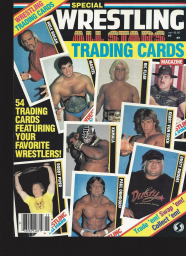




























































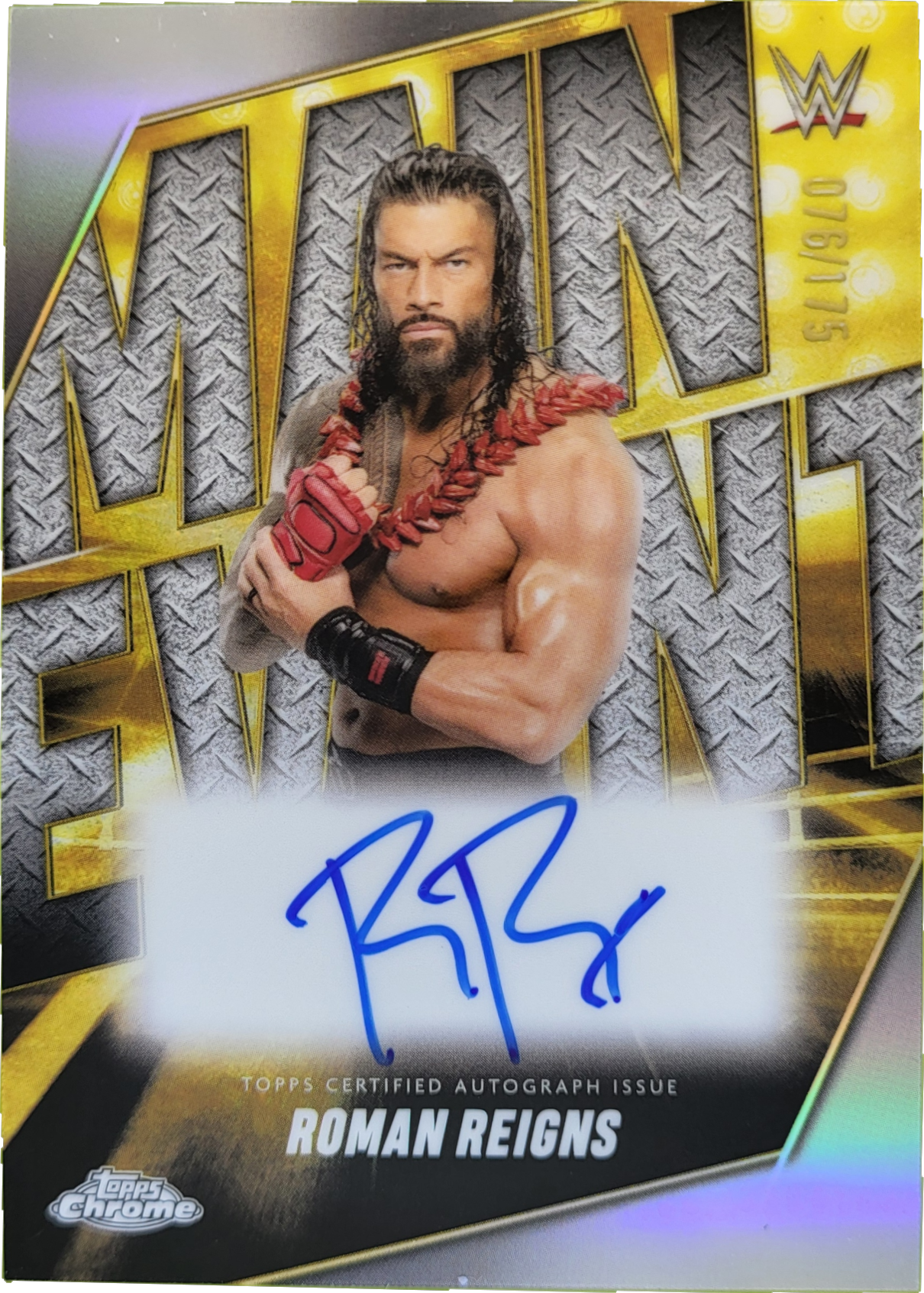
A selection of WWE Superstar cards, signature cards, and standout inserts. A few highlights from the world of wrestling collectibles.
A larger-than-life icon.
A card made for the spotlight.
A signature that takes
center stage in the collection.
Unmistakable presence.
A standout from every angle.
Selected WWE card references shown in illustrative LOREVOR slabs. Sample grades are for presentation only; these are not actual LOREVOR certificates or inventory listings.
Explore the four details behind a card’s condition.
Clear criteria. A closer look. A more informed collector.
Centering examines the balance of the printed borders on the front and back of the card.
Category weights · Raw 9.625 → 9.5 after downward banding.
Surface 30% · Corners 25% · Edges 25% · Centering 20%.
Surface. Edges. Corners. Centering.
Explore the details behind a card’s condition.
 CARD PHOTO / DETAIL VIEW
Angled lighting and close visual review help reveal scratches, print lines, indentations, and changes to the finish.
TOP LEFT / ORIGINAL PHOTO CROP
Review all four corners and the full perimeter for rounding, whitening, chipping, and separation.
Compare the placement of the printed design against the card’s edges. Front and back both matter.
Authenticity comes first. Four independent condition subgrades follow, with a defined weighting, conservative grade bands, and evidence-based review.
Select a grade to explore the four subgrade thresholds.
The published LOREVOR condition scale runs from 0.0 through 10.0. Whole numbers define the principal anchors, with half-point intermediate results between adjacent anchors.
Surface must be 10; every other subgrade must be at least 9.5, with at least three of the four subgrades at 10. No capping defect may apply. Two graders and a senior reviewer must agree, and QC must recheck all high-grade evidence images.
No scratches, indentations, print lines, stains, color loss, wear, or creases under standard observation and 5× magnification.
Template-confirmed normal manufacturing texture is permitted.No whitening, compression damage, folds, broken fibers, or material loss under standard observation and 5× magnification.
P10 additionally requires three-reviewer agreement.No whitening, burrs, color loss, chips, or delamination under standard observation and 5× magnification.
Factory-cut edges must also be uniform.Front ≤55/45 · Back ≤60/40
Rotation ≤0.5°; all four edges intact.Centering: Measure front and back, left/right and top/bottom; use the worse pair. Ratios show wider/narrower borders. Correct perspective before measuring, and use the lower subgrade when rotation or border balance is worse. Borderless cards need a reliable set-specific template; no N/A score or redistributed weight.
Corners: Record both faces of every corner. A micro-white spot is ≤0.3 mm, small damage ≤1.0 mm, moderate damage 1.0–2.0 mm, and severe damage >2.0 mm, broken fibers, obvious folds, or missing material. Use the lower subgrade if multiple conditions apply. Sleeve glare, slab pressure, and scan sharpening are not corner defects; high-grade review requires a clean tray outside the customer sleeve.
Edges: Record all four sides. Evaluate both the longest continuous damaged segment and the cumulative percentage of the perimeter; use the lower result. Factory roughness is still scored by visible condition and recorded as MFG-EDGE unless an approved set-specific exception applies.
Surface: Review front and back, using the worse combined result. Assess scratch length, depth, and visibility; dent count and diameter; and worn area. Creases, stains, and material loss may impose an overall cap. Standard observation and 5× magnification apply to the top subgrade; P10 additionally requires 10× review.
| S / C / E / X | Raw R | Downward band | Review / restriction | Final |
|---|---|---|---|---|
| 9.5 / 10 / 10 / 9.5 | 9.750 | 9.5 | Surface is not 10; Gem Mint gate fails. | 9.5 |
| 10 / 10 / 10 / 9.5 | 9.900 | 9.5 | All Gem Mint gates and high-grade review pass. | 10 |
| 10 / 10 / 10 / 10 | 10.000 | 10 | Stricter centering and all Pristine review gates pass. | P10 |
| 9.5 / 9.5 / 9 / 8 | 9.050 | 9 | Lowest subgrade 8 + 0.5 guardrail. | 8.5 |
| 8.5 / 9 / 9 / 9.5 | 8.950 | 8.5 | No additional cap. | 8.5 |
| 8 / 8.5 / 8.5 / 8 | 8.250 | 8 | No additional restriction. | 8 |
| 7.5 / 8 / 8 / 9 | 8.000 | 8 | Lowest subgrade 7.5 + 0.5 guardrail. | 8 |
| 8 / 8 / 8 / 8 + visible crease | 8.000 | 8 | Standard-light visible crease cap. | 6 |
S / C / E / X = Surface / Corners / Edges / Centering. Examples illustrate the rules; they are not results for the WWE reference cards shown on this site.
| Condition | Highest overall grade | Additional rule |
|---|---|---|
| Single crease visible under standard lighting | 6 | Multiple or deep creases: maximum 5. |
| Noticeable water damage, wave deformation, or persistent stain | 4 | Active mold is rejected, not graded. |
| Writing, stickers, or noticeable adhesive residue | 4 | Authenticated signatures follow the relevant specialist service rules. |
| Tears, punctures, or noticeable delamination | 3–4 | Depends on length, area, and structural stability; category caps may be stricter. |
| Missing material <10% | 3 | Missing material ≥10%: maximum 2. |
| Confirmed artificial alteration | No numeric grade | Authentic-Altered or Not Genuine, according to authentication evidence. |
AU · Authentic: Eligible for condition grading.
AA · Authentic-Altered: No numeric grade by default; a separate label is possible only with prior customer consent.
NG · Not Genuine: No authentic-card encapsulation. Any educational enclosure must be clearly separate from the authentic-card system.
IC · Inconclusive: Research hold or return; no guessed conclusion.
US · Unsupported: Return with the missing template, equipment, or authorization scope explained.
Foil / Chrome finishes: Template-confirmed rainbow effects, embossing, and normal optical patterns are not scratches. Abnormal scratching, coating damage, and gloss changes are assessed against the set-specific template.
Factory-certified autographs: Verify the release attribute, then display card condition and autograph / certification attributes separately. Authentic factory autograph ink is not ordinary surface damage. Aftermarket signature authenticity requires an established independent signature service.
Production errors: Authenticate the card first, then verify the error against factory evidence or reference samples. ERROR does not automatically exempt centering or surface deductions.
Borderless, thick, transparent, and other special cards: A validated material-specific appendix, measurement template, and suitable enclosure are required. An unsupported card is not assigned a guessed centering score or forced into a standard holder.
Based on the supplied Card Authentication & Condition Grading Operating Standard, trial draft: C-01/C-02 and D-01–D-08. The document requires validation and approval before commercial use. Illustrative card photos and sample reports remain clearly identified.
Condition categories
Grade designations
Pristine magnification
Card faces reviewed
Explore our grading criteria and understand the details behind each grade.
Authentication comes first. Card condition is then assessed across four categories: Surface (30%), Corners (25%), Edges (25%), and Centering (20%). The weighted score is rounded down to the applicable grade band. The final grade is also subject to the lowest-subgrade limit and any defect caps. Gem Mint 10 and Pristine P10 have additional inspection and review requirements. Read the full grading standard.
The standard addresses WWE Superstar cards, Chrome and foil finishes, inserts, and factory-certified autograph cards. Condition grading evaluates the card itself; autograph authenticity and factory certification are separate attributes. Borderless cards, thick stock, and unusual materials require set-specific assessment criteria.
Check the card name, year, set, card number, variant, certification number, and overall grade. The identifying information should match the enclosed card. Review the four condition subgrades alongside the overall result to understand the card's condition; a numerical grade alone does not identify a card or establish its authenticity.